Learn Smart Aggression At The Right Moment
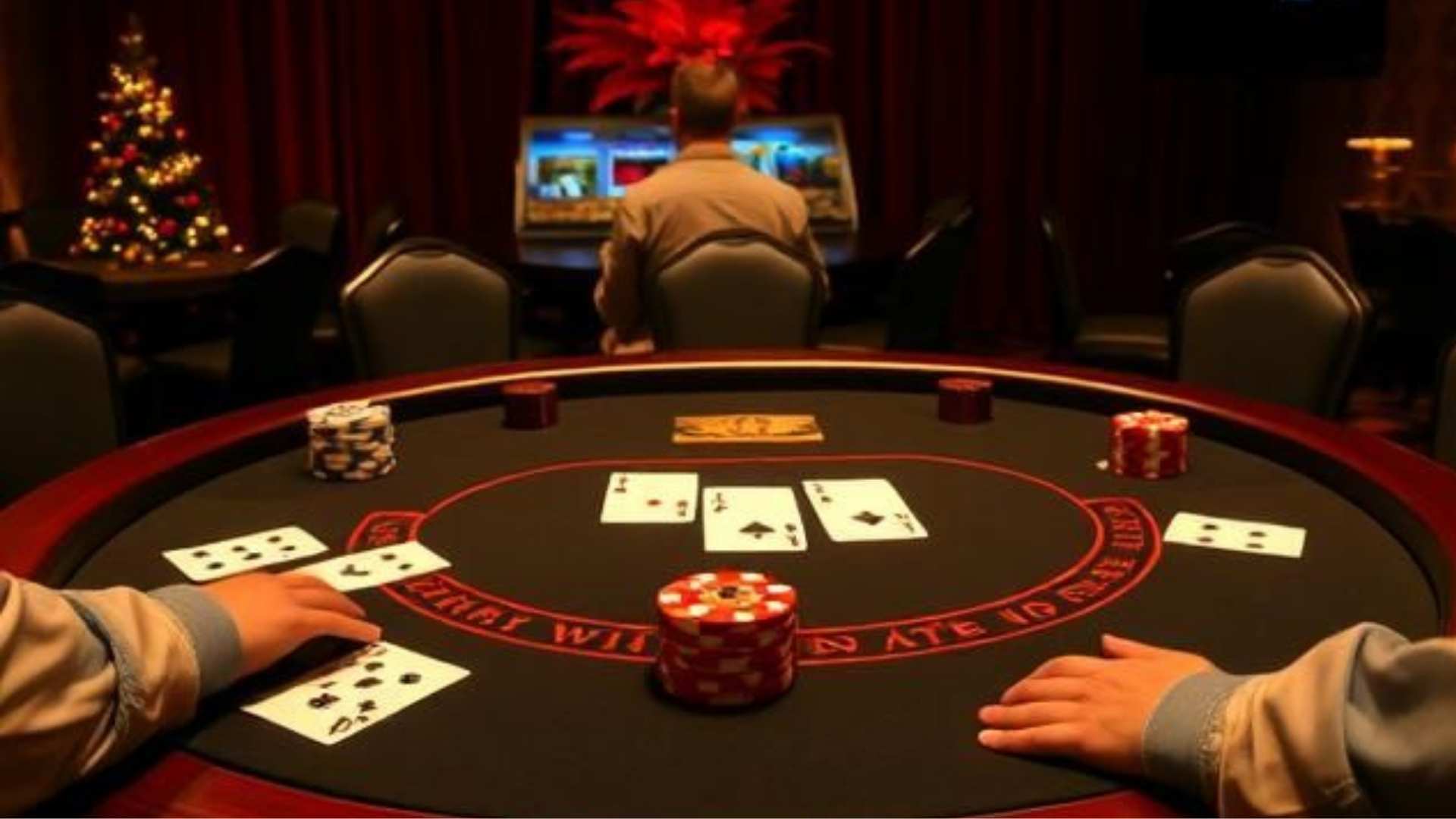
Mastering the balance between caution and assertive play is one of the most significant challenges facing modern card competitors. Knowing when to apply sudden pressure can transform a mediocre hand into a highly profitable opportunity while keeping your opponents off balance. Cultivating this advanced psychological skill requires a deep understanding of timing, table positioning, and individual opponent behaviors.
The Psychology of Well-Timed Assertiveness
True tactical strength does not come from constantly forcing bets or playing every single hand aggressively. Instead, it relies on creating a solid table image that makes your sudden tactical shifts highly believable to everyone else. When you establish a reputation for discipline, your deliberate decisions to increase the stakes carry much more weight.
Timing your aggressive moves correctly often depends heavily on the emotional state of the players surrounding you. Recognizing moments when your rivals are vulnerable or overly cautious allows you to capitalize on their hesitation effectively. A well-calculated move executed at the perfect psychological juncture forces opponents into making critical operational mistakes.
Analyzing Board Textures and Positioning
Your physical or virtual position at the table dictates how much information you can gather before making a definitive move. Acting last gives you the distinct advantage of observing how your opponents react to new cards before you commit your own resources. Utilizing this situational awareness ensures that your aggressive actions are backed by solid structural probability.
Evaluating the changing dynamics of the board texture is equally vital when deciding to accelerate your tactical pace. Certain card combinations naturally create fear, making it much easier to represent a dominant hand configuration. You can explore advanced strategic frameworks on platforms like m88 link 2 to elevate your situational analysis during high-pressure matches.
Balancing Risk Mitigation and Chip Management
Every assertive play carries an inherent financial risk that must be carefully weighed against the prospective rewards in the pot. Reckless aggression without a clear tactical backup plan can quickly deplete your chip stack and ruin your long-term tournament durability. Experienced players always calculate their pot odds meticulously before attempting to force an opponent to fold.
Implementing controlled semi-bluffs serves as an excellent intermediate strategy to mitigate the dangers of high-risk theatrical plays. This approach provides multiple paths to winning the round, either through immediate concession or by hitting your drawing cards. Balancing these mathematical probabilities separates calculated strategic thinkers from casual amateur players who rely entirely on luck.
Developing Long Term Consistency
Transforming these theoretical concepts into second-nature habits requires continuous observation and systematic practice over many sessions. Reviewing your past performances helps identify whether you are pushing too hard or missing profitable windows of opportunity. Maintaining a balanced mindset prevents emotional factors like frustration from dictating your tactical decisions.
Ultimately, smart aggression is an analytical tool rather than an emotional reaction to a losing streak. Combining patience with sudden, calculated force creates an unpredictable style that is incredibly difficult for rivals to counter effectively. Dedicated study of table dynamics will naturally refine your intuition and lead to much better competitive outcomes.