The Impact of Augment Reroll Management on Hitting Emblem Breakpoints

The Impact of Augment Reroll Management on Hitting Emblem Breakpoints

Artikel Terbaru

Lucky Spin Reward Adventure Today

Lucky Spin Reward Adventure Today

Lucky Spin Reward Adventure Today

Digital engagement programs have evolved rapidly as modern entertainment platforms seek creative ways to captivate global audiences. Among these innovations, periodic promotional prize wheels have become an incredibly popular choice for providing instant excitement and casual amusement. Understanding the underlying structures of these features can help participants optimize their interactive sessions and cultivate healthier online habits.

The Evolution of Interactive Reward Systems

Modern application designs frequently incorporate gamified mechanics to elevate standard digital exploration into a dynamic user journey. These interactive elements capitalize on behavioral loops by offering micro-incentives that build routine engagement and consistency over extended periods. Consequently, casual platform exploration transforms into an immersive experience that balances anticipation with structural transparency.

By analyzing the architectural framework of these incentives, participants can form a much clearer perspective on how contemporary campaigns operate. Platforms that prioritize detailed information ensure that users can navigate the promotional structures with proper foundational awareness. This objective clarity helps individuals manage their personal involvement effectively while exploring various reward paths safely.

Understanding the Mathematics of Digital Chance

Every reputable virtual spin feature relies entirely on complex software systems known as Random Number Generators to dictate final outcomes. This computerized mechanism ensures that each individual interaction remains completely independent, unpredictable, and fair for all active participants. Recognizing this randomized baseline prevents common misunderstandings regarding visual patterns or historical trends on the screen.

Because the landing coordinates are pre-determined by code the exact millisecond you initiate the action, sensory animations do not influence your actual results. The primary value of engaging with these systems rests within your appreciation of numerical probabilities and casual gameplay dynamics. Cultivating this technical awareness is essential for setting realistic goals and avoiding common misconceptions about hitting major jackpots.

Practical Strategies for Resource Management

Navigating the active promotional landscape requires a balanced mixture of structured planning, disciplined boundary setting, and emotional control. Seasoned enthusiasts discover that treating these mini-games as a planned routine minimizes impulsive choices and brings consistency to their engagement. Establishing logical boundaries ensures that the digital activity remains an enjoyable pastime rather than a source of unnecessary stress.

Many participants find success by utilizing complimentary daily tokens and periodic platform milestones instead of allocating significant personal resources. Keeping track of specific updates through verified portals like the m88 link 2 can provide valuable insights into safe, transparent operational configurations. Prioritizing platforms that emphasize mathematical clarity allows users to evaluate their choices objectively before spinning.

Evaluating Value Distributions and Tiers

Modern entertainment architectures utilize multi-tiered reward schedules to balance frequent milestone assets with rare high-tier prizes. Dissecting these structured distribution charts allows individuals to evaluate whether the potential incentives align with their personal activity patterns. Recognizing that small consistent items appear more frequently helps players maintain an objective perspective from their very first turn.

Some platforms implement special limited-time events that temporarily modify specific segment values to enhance user interest. Capitalizing on these scheduled windows can offer a tactical advantage compared to standard random participation loops. However, participants must always verify that these challenges remain entirely optional and strictly integrated into secure system designs.


4 bulan yang lalu

Tactical Systems for Better Resource Management

Tactical Systems for Better Resource Management

Tactical Systems for Better Resource Management

Managing organizational assets efficiently has become a primary differentiator between successful enterprises and those struggling to survive in modern competitive landscapes. Implementing tactical frameworks ensures that tangible and intangible assets are deployed in absolute alignment with long-term corporate objectives. By moving away from reactive approaches, companies can establish sustainable workflows that maximize daily operational output.

The Foundations of Strategic Allocation

Effective resource oversight begins with establishing a comprehensive framework that tracks real-time asset performance metrics. Organizations must identify key capabilities to effectively balance supply chains and avoid costly operational deficits. Utilizing structured models allows managers to make data-driven decisions that immediately improve overall productivity levels.

Furthermore, maintaining constant visibility over operational workflows helps prevent unexpected system bottlenecks during high-pressure cycles. Teams that rely on coordinated asset deployment can adjust their operational focus dynamically as environmental demands fluctuate. This disciplined approach minimizes waste while ensuring that essential projects receive adequate support.

Building Operational Resilience through Flexibility

Modern business environments present volatile challenges that require highly adaptable tactical systems to navigate safely. When unexpected market disruptions or logistical delays occur, managers need to pivot their operational plans seamlessly. Developing dynamic capabilities across various departments ensures that the enterprise remains stable regardless of external pressures.

Cultivating tactical flexibility involves training teams to reallocate critical items without disrupting ongoing production lines. Many progressive organizations leverage advanced frameworks like the m88 link 2 platform to study efficient strategic coordination models. Embracing these flexible methodologies allows modern leaders to transform sudden operational setbacks into unique growth opportunities.

Data Analytics and Performance Tracking

Continuous monitoring through key performance indicators serves as the foundational pillar for long-term project management maturity. Evaluating specific metrics such as system uptime, operational overhead, and asset lifespans provides invaluable insights into corporate health. Analyzing these data trends regularly helps supervisors identify hidden inefficiencies before they impact the bottom line.

In addition, establishing clear benchmarks helps teams understand exactly what project success looks like from the initial execution phase. Collaborative review sessions ensure that all stakeholders stay informed about performance changes and strategic adjustments. Over time, this analytical focus fosters an organizational culture dedicated to continuous refinement and excellence.

Long-Term Benefits of Modern Frameworks

Transitioning toward structured asset tracking models delivers lasting competitive advantages across the entire corporate structure. Enterprises can confidently forecast future budgetary requirements while reducing daily expenditures on unnecessary secondary items. This clear foresight empowers decision-makers to pursue ambitious expansion plans without risking structural financial instability.

Ultimately, perfecting tactical distribution systems ensures that every department operates at peak capacity with minimal friction. Embracing systematic planning methods creates a reliable roadmap that guides teams toward achieving their ultimate business milestones. Through persistence and data-backed execution, any enterprise can achieve sustained operational excellence.

4 bulan yang lalu

RTP Explained With Real Gaming Scenarios

RTP Explained With Real Gaming Scenarios

RTP Explained With Real Gaming Scenarios

Navigating the mechanics of modern digital gaming requires a clear understanding of metrics that define fairness and payout structures. One of the most prominent metrics players encounter is Return to Player, which serves as a baseline indicator for long-term equity. Exploring this concept through practical examples helps enthusiasts build realistic expectations for their virtual entertainment sessions.

The Core Definition in Practical Terms

Return to Player represents a statistical calculation showing the percentage of total wagered money that a specific title is designed to pay back over an extended period. For instance, a game featuring a ninety-six percent return metric theoretically redistributes ninety-six dollars for every one hundred dollars wagered by the global community. However, it is vital to recognize that this mathematical projection is calculated across millions of simulated rounds rather than a single session.

This baseline metric serves as an industry standard for transparency, allowing participants to evaluate the structural integrity of different software designs. Many international regulatory bodies enforce the public disclosure of these verified values to safeguard consumer interests. As a result, transparent platforms provide access via options like the m88 link 2 to ensure players can verify statistical percentages before initiating active gameplay.

Real World Simulation Versus Brief Sessions

A frequent mistake among casual enthusiasts is expecting their immediate session outcomes to reflect the official percentage perfectly. In reality, short-term results are entirely dictated by complex randomization systems that introduce significant variance to every independent turn. A player might experience a rapid sequence of victories or a prolonged dry spell during a single hour of entertainment.

The theoretical average only begins to stabilize when looking at the combined data of thousands of active players over months of operation. Understanding this macro-level scale prevents participants from developing skewed expectations based on temporary winning or losing streaks. Recognizing the vast timeline required for statistical alignment promotes a much healthier approach to digital gaming.

How Volatility Alters Payout Scenarios

While the standard return metric outlines the total volume of funds returned, it does not explain the frequency or distribution size of those rewards. This dynamic is governed by mathematical variance, commonly referred to as volatility, which dictates the structural pacing of the game. Two different titles can possess identical return percentages while offering entirely contrasting experiences.

For example, a low-volatility scenario distributes frequent but smaller rewards, making it ideal for players who enjoy longer sessions with steady pacing. Conversely, a high-volatility environment features rare but substantial payouts, resulting in prolonged periods without any returns. Balancing these two distinct indicators allows individuals to choose games that align precisely with their personal risk preferences.

The Critical Role of Certified Auditing

To ensure published parameters are genuine rather than merely theoretical concepts, software developers submit their code to independent laboratories. These specialized testing facilities simulate millions of continuous rounds to verify that the software adheres strictly to declared mathematical models. This rigorous certification process guarantees that the randomization mechanics operate without any external interference or bias.

Enthusiasts can look for official certification seals on gaming platforms to ensure they are engaging with verified systems. Prioritizing certified software ensures that your entertainment budget is allocated to titles engineered with genuine mathematical transparency. Ultimately, utilizing these insights empowers players to make educated choices and enjoy a secure digital experience.

3 bulan yang lalu

Competitive Planning That Improves Baccarat Performance

Competitive Planning That Improves Baccarat Performance

Competitive Planning That Improves Baccarat Performance

Baccarat tournaments present an entirely different challenge compared to traditional casino gaming because you must outperform real opponents instead of just battling the fixed house advantage. Succeeding in these intense peer-to-peer environments requires a clear strategic blueprint that shifts your focus toward relative chip accumulation and tactical adjustments. Implementing a competitive plan helps you manage unavoidable variance and make much smarter decisions across multiple elimination rounds.

Understanding Tournament Structure and Rules

Every competitive event relies on specific structural boundaries such as fixed deal limits, strict time constraints, and distinct advancement thresholds. Serious competitors analyze these elements carefully beforehand to determine how fast they need to accumulate their chips during each session. Adjusting your overall pace based on the remaining hands allows you to stay ahead without taking unnecessary risks.

Tracking the position of the moving first-bet marker is another essential aspect of long-term competitive planning. Acting last in a round gives you a major informational advantage because you can observe your rivals' choices before making your own. Utilizing this situational awareness properly helps you protect your lead or close the gap when trailing behind the table leader.

Advanced Risk Management and Bet Sizing

Controlling your chip stack effectively requires matching the momentum of the table while preserving your capital for critical late-game phases. Relying on strict tournament bankroll rules ensures that you remain viable through low-variance stretches and sudden leaderboard shifts. A structured approach helps you avoid emotional betting when your immediate opponents begin making highly aggressive moves.

Knowing exactly when to break standard betting patterns is what separates experienced tournament players from casual casino participants. If you want to check reliable resources or study advanced strategic setups, accessing a trustworthy platform like the m88 link 2 can provide excellent insights into modern gaming environments. Using calculated contrarian wagers at the right moment helps you capitalize on your opponents' positioning mistakes.

Developing Structural Milestones

Dividing a long tournament session into distinct operational phases prevents strategic fatigue and keeps your tactical execution sharp. The early elimination rounds should always prioritize safe chip maintenance rather than massive, high-risk showdowns. Building a stable chip foundation early ensures you have enough resources to survive the rigorous mid-game cuts.

As the player field narrows toward the final table, your competitive plan must adapt swiftly to the shifting leaderboard dynamics. Competitors must closely monitor the live chip counts of everyone at the table to identify who is playing conservatively. Adjusting your risk tolerance during these critical transitions ultimately determines your final placement and success.

Maintaining Psychological Composure

Reaching the final stages of a major baccarat competition introduces immense psychological pressure that can easily disrupt your strategic focus. Elite players train themselves to ignore temporary setbacks and focus entirely on mathematical probabilities and relative chip positions. Staying perfectly consistent under stress is a core fundamental that directly impacts your decision-making quality.

Reviewing past tournament performances and simulating specific table scenarios builds the mental resilience needed for long gaming sessions. Every single hand dealt provides unique operational data that refines your tactical instincts for future competitive events. Dedicating time to mastering these strategic planning nuances will steadily elevate your overall baccarat performance.

4 bulan yang lalu

Random Rewards and Flexible Gameplay

Random Rewards and Flexible Gameplay

Random Rewards and Flexible Gameplay

Modern game architecture constantly seeks to balance individual player autonomy with the engaging nature of systemic unpredictability. By integrating spontaneous prize mechanics alongside highly adaptive design structures, developers can craft digital environments that remain vibrant over extended periods. This powerful combination allows individuals to approach complex challenges in diverse ways while continuously anticipating unique outcomes.

The Synergy of Choice and Chance

When game designers introduce open-ended progression loops, they empower participants to choose their preferred tactical paths. However, adding random drops to these flexible frameworks prevents the overall experience from becoming overly formulaic or predictable. This modern approach ensures that tactical freedom is constantly rewarded with exciting, unscripted milestones during gameplay.

Players deeply appreciate when their strategic decisions are met with unexpected variables that alter the course of a session. This dynamic intersection requires individuals to adapt their strategies in real-time based on the resources they randomly acquire. As a result, the gameplay remains highly fluid and exceptionally responsive to immediate virtual circumstances.

Fostering Adaptability Through Uncertainty

Flexible gameplay thrives on the player's ability to pivot smoothly when faced with shifting conditions or surprise items. When an unexpected asset or weapon drops, it often encourages the individual to experiment with mechanics they might otherwise ignore. This progressive design philosophy broadens the participant's understanding and mastery of the game's core systems.

By preventing players from relying on a single, optimal strategy, developers successfully cultivate a more resilient and creative community. Enthusiasts looking for a dynamic digital environment can check out the m88 link 2 platform to explore varied interactive options. Adapting to unpredictable scenarios ultimately makes achieving major milestones feel much more fulfilling and personalized.

Balancing Randomness for Long-Term Value

Achieving the perfect equilibrium between pure chance and meaningful player agency is essential for maintaining long-term community engagement. If a system relies too heavily on random luck, participants may feel that their skill and effort do not truly matter. Conversely, total predictability can lead to early user fatigue and significantly diminished interest over time.

Successful modern titles overcome this difficult challenge by ensuring that spontaneous incentives support, rather than dictate, player progression. By framing random elements as exciting bonuses rather than strict baseline requirements, creators successfully preserve the integrity of user choices. This careful balance fosters an ecosystem where skill and surprise coexist harmoniously for everyone.

The Future of Dynamic Gaming Systems

As interactive design continues to evolve rapidly, developers are exploring much smarter algorithms to govern variable reward distribution. Future platforms will likely analyze individual playing styles to deliver highly personalized surprises that complement specific operational strategies. This technological evolution promises to make virtual worlds feel even more responsive and uniquely tailored to users.

Ultimately, combining random incentives with flexible mechanics represents a highly sophisticated approach to contemporary digital engagement. By respecting player freedom while maintaining a genuine sense of wonder, developers ensure that every gaming session feels entirely fresh. This continuous cycle of choice and discovery will undoubtedly remain central to the next generation of entertainment.

4 bulan yang lalu

The Impact of RNG on User Experience

The Impact of RNG on User Experience

The Impact of RNG on User Experience

The integration of Random Number Generator technology into modern software applications heavily shapes how global audiences interact with virtual environments. From determining the distribution of unexpected loot to generating randomized digital landscapes, these background operations influence consumer behavior and retention rates daily. Understanding the hidden mechanics behind this algorithmic framework allows software developers to build more engaging and balanced digital platforms.

The Core Dynamics of Algorithmic Chance

In the digital realm, creating artificial randomness requires sophisticated mathematical formulas capable of producing sequences without recognizable patterns. Most contemporary applications rely on software-driven engines that require specific starting variables to initiate complex calculation loops. This intricate process ensures that every randomized transaction, critical hit, or drop rate remains algorithmically sound and mathematically independent.

When these invisible systems function correctly, they eliminate human bias and predictable software behaviors across diverse interactive platforms. Maintaining this baseline level of unpredictability is vital because it establishes a realistic environment where user strategy and genuine chance can coexist. Consequently, online participants can confidently navigate their favorite platforms knowing the software integrity remains intact.

Fostering Engagement and Replayability

Beyond merely preserving sportsmanship, random number technology directly affects the creative layout and overall longevity of interactive software titles. Dynamic environmental changes and unpredictable opponent tactics keep digital experiences feeling remarkably fresh over multiple operational cycles. This constant variety prevents individuals from easily anticipating upcoming scenarios, which significantly extends the active lifespan of modern programs.

As mobile applications and cloud-based gaming networks continue to expand globally, the consumer demand for seamless randomization engines grows exponentially. Tech enthusiasts looking for secure digital environments often look for updated tools like the m88 link 2 platform to explore systems that prioritize certified operational guidelines. By implementing robust mathematical structures, software engineering teams can effectively sustain high levels of consumer interest.

Balancing Fairness and Frustration

While complete unpredictability introduces excitement, poorly optimized randomization structures can occasionally lead to significant player fatigue. If the mathematical probability of a desired outcome feels artificially low, individuals may develop skepticism regarding the general fairness of the system. Finding the perfect equilibrium between rewarding effort and maintaining genuine uncertainty remains a primary challenge for modern interface designers.

To solve this operational issue, many modern developers introduce sophisticated safety nets often referred to as bad luck protection systems. These custom algorithms gradually improve the statistical probability of a positive outcome after a prolonged series of unsuccessful attempts. This balanced method successfully mitigates extreme streaks of poor fortune, ensuring the long-term user experience remains both satisfying and fair.

The Importance of Independent Audits

Establishing verifiable transparency has become a cornerstone of brand loyalty and corporate compliance in the highly competitive technology sector. Digital platforms must routinely submit their internal software architectures to authorized international laboratories for empirical verification. These exhaustive evaluations ensure that the statistical distribution of outcomes remains completely unbiased over millions of digital operations.

Publicly demonstrating a clear commitment to certified software standards helps operators build an enduring relationship with their global audiences. When users know that a platform operates under strict external oversight, safety concerns diminish significantly. Ultimately, continuous testing and transparent validation will remain the definitive factors driving innovation in digital entertainment.

4 bulan yang lalu

Sic Bo Tips for Better Game Awareness

Sic Bo Tips for Better Game Awareness

Sic Bo Tips for Better Game Awareness

Sic Bo is a compelling dice game that combines ancient Chinese tradition with modern casino excitement. While the game relies entirely on chance, developing a strong sense of game awareness can significantly improve your overall experience. Understanding the layout and the mathematical reality behind each option is the first step toward becoming a more mindful participant.

Decoding the Table Layout

The extensive grid of numbers and symbols displayed across the table surface can look intimidating to newcomers. Taking the time to study how the betting boxes are grouped allows you to read the board with complete clarity. Each section represents a different combination or total generated by the three standard six-sided dice.

By systematically scanning the layout from top to bottom, you will naturally notice the variance in risk levels. The outer sections generally offer simpler outcomes, whereas the inner segments represent specific totals or identical sets. Cultivating this visual familiarity ensures that you make deliberate choices rather than rushing your wagers under pressure.

Evaluating Risk and Probability

Every individual roll in a traditional casino game involves independent mathematical probabilities that dictate long-term results. Recognizing the core difference between the statistical likelihood of an event and its corresponding financial payout is essential. Beginners often find success by prioritizing low-risk choices like the Small and Big betting options.

These even-money categories provide the most stable probability configurations for anyone looking to build baseline confidence. For individuals wanting to explore reliable platforms, utilizing a secure connection like m88 link 2 can offer an ideal environment to observe live table flows. Balancing your approach by avoiding high-stakes wagers with steep house advantages keeps your sessions sustainable.

Managing Focus and Pacing

Because the action unfolds rapidly, maintaining deep mental clarity is absolutely crucial during active gaming rounds. The quick succession of rolling dice can easily induce fatigue or lead to impulsive decisions if you lose track of time. Setting strict limits before starting ensures you remain fully in control of your budget.

Stepping away for short breaks allows your mind to reset and helps prevent common cognitive biases like the illusion of streaks. A patient participant understands that consistency is far more valuable than trying to predict random outcomes. Developing these structured behavioral habits transforms standard guesswork into an organized and enjoyable hobby.

4 bulan yang lalu

Discover Powerful Bridge Games Strategies

Discover Powerful Bridge Games Strategies

Discover Powerful Bridge Games Strategies

Mastering contract bridge requires a dynamic blend of logical deduction, acute memory tracking, and synchronized partnership cooperation. Casual players often rely heavily on high-card values, whereas true experts employ calculated tactical systems to optimize their contracts. Transitioning from basic rules to advanced execution allows enthusiasts to consistently outmaneuver their opponents at the table.

The Foundations of Tactical Bidding

Bidding serves as the essential dialogue through which a partnership maps out their combined hand distribution and strength. Developing a deep familiarity with competitive bidding systems prevents costly communication errors before the first trick is even played. Employing preemptive overcalls and precise response systems can successfully disrupt the communication layout of the defending side.

By accurately estimating point ranges and suit lengths, players can confidently discover optimal game contracts. Strategic bidding transforms raw card distribution into a highly predictable mathematical model. Mastering these auction strategies builds a reliable roadmap that paves the way for a victorious declaration phase.

Mastering Declarer Entry Control

Once the auction phase concludes and the dummy is revealed, the declarer must formulate a comprehensive trick-taking plan. A common pitfall among intermediate players is drawing the defenders' trumps too early without securing proper entries. Effective entry management ensures fluid movement between your own hand and the dummy layout across multiple rounds.

Establishing long side suits and timing finesse opportunities correctly requires absolute focus and patience. Declarers must visualize shifting card distributions based on the initial opening lead and subsequent discards. Executing these advanced control techniques ensures maximum trick extraction even from seemingly average distributions.

Defensive Signaling Paradigms

Achieving consistent victories in competitive environments requires much more than just a brilliant display of offensive declarer play. The defensive side must learn to communicate silently using standard card behavior and structural signaling methods. The opening lead establishes the defensive momentum and can instantly weaken the declarer's primary suit control.

Utilizing high-low attitude signals and count indications helps your partnership defend tough contracts with precision. Aspiring competitors looking to practice these systems can visit the innovative m88 link 2 platform to explore complex digital layouts. Cooperating seamlessly through logical deduction transforms defense into a highly effective tool for securing massive tournament bonuses.

Elevating Partnerships Online

Bridge remains a profoundly collaborative mind sport where individual technical mastery must align perfectly with your teammate's style. Developing simple, consistent conventions ensures that both minds operate on the exact same strategic frequency. Trusting your partner's inferences minimizes critical mistakes when facing highly aggressive opponents.

The transition of classic trick-taking games to virtual arenas has allowed worldwide enthusiasts to connect and practice regularly. Engaging with diverse tournament structures exposes players to various regional play styles and advanced card mechanics. Continuous analysis of historical deals ultimately turns dedicated enthusiasts into formidable bridge strategists.

4 bulan yang lalu

Mobile Card Games Featuring Unique Strategy Modes

Mobile Card Games Featuring Unique Strategy Modes

Mobile Card Games Featuring Unique Strategy Modes

The mobile gaming space has seen a tremendous shift as standard digital card titles move away from conventional turn-based duels toward highly innovative gameplay systems. Developers are introducing specialized tactical environments that challenge traditional player thinking and offer completely fresh interactive experiences. These modern advancements ensure that portable card arenas remain engaging for both casual hobbyists and seasoned veterans worldwide.

The Emergence of Hybrid Tactical Boards

Many contemporary mobile card games are expanding their core mechanics by integrating grid-based movement and spatial positioning directly onto the digital board. Instead of simply placing cards into fixed lanes, players must now navigate their units across dynamic environments to gain operational advantages. This spatial layer adds intense depth, making every individual positioning choice critical to achieving ultimate victory.

Furthermore, these unique systems introduce environmental hazards and shifting map objectives that force players to continuously recalculate their long-term plans. Balancing deck synergy with spatial awareness provides a multi-dimensional challenge that conventional physical card games simply cannot replicate. Exploring these diverse systems allows gaming enthusiasts to test their mental agility during everyday routines.

Innovative Asymmetrical Challenges and Solo Campaigns

Another major trend reshaping the genre is the implementation of specialized asymmetrical modes where players confront unique boss archetypes with highly customized rulesets. These cooperative and single-player campaigns move away from standard competitive templates to offer structured narrative progression and distinct logical puzzles. Engaging with these dynamic scenarios encourages players to build highly creative deck configurations outside the popular online meta.

For players eager to discover fresh tactical options and reliable platforms, visiting the m88 link 2 portal offers an excellent gateway to modern digital entertainment. These structured campaign modes often feature specialized drafting mechanics where your initial card collection evolves dynamically based on in-game performance milestones. This progressive structure ensures high replayability while keeping the overarching player journey deeply rewarding.

Dynamic Timed Events and Shifting Rulesets

To maintain long-term user retention, modern mobile developers are heavily relying on recurring weekly cycles that temporarily alter foundational gameplay mechanics. These brief seasonal updates might restrict specific resource pools or grant specialized combat bonuses to underutilized card types. Such sudden system shifts keep the broader community active as players rush to engineer fresh strategic solutions before the event concludes.

These operational updates prevent competitive ladders from becoming stagnant and predictable over extended periods. Adapting to temporary rulesets sharpens overall decision-making skills and teaches players how to optimize their collections under restrictive parameters. Ultimately, the continuous introduction of creative strategy modes ensures the mobile card ecosystem remains incredibly vibrant and forward-thinking.

4 bulan yang lalu

Craps Strategy Tips for Consistent Sessions

Craps Strategy Tips for Consistent Sessions

Craps Strategy Tips for Consistent Sessions

Stepping up to a bustling craps table can be a highly exhilarating experience, yet maintaining a steady bankroll requires a methodical approach. While the volatile nature of the dice creates unpredictability, players can utilize structured choices to mitigate unnecessary risks. Shifting your focus from emotional impulses toward long-term session longevity is the definitive key to enjoying sustainable table action.

Establishing a Fundamental Betting Line

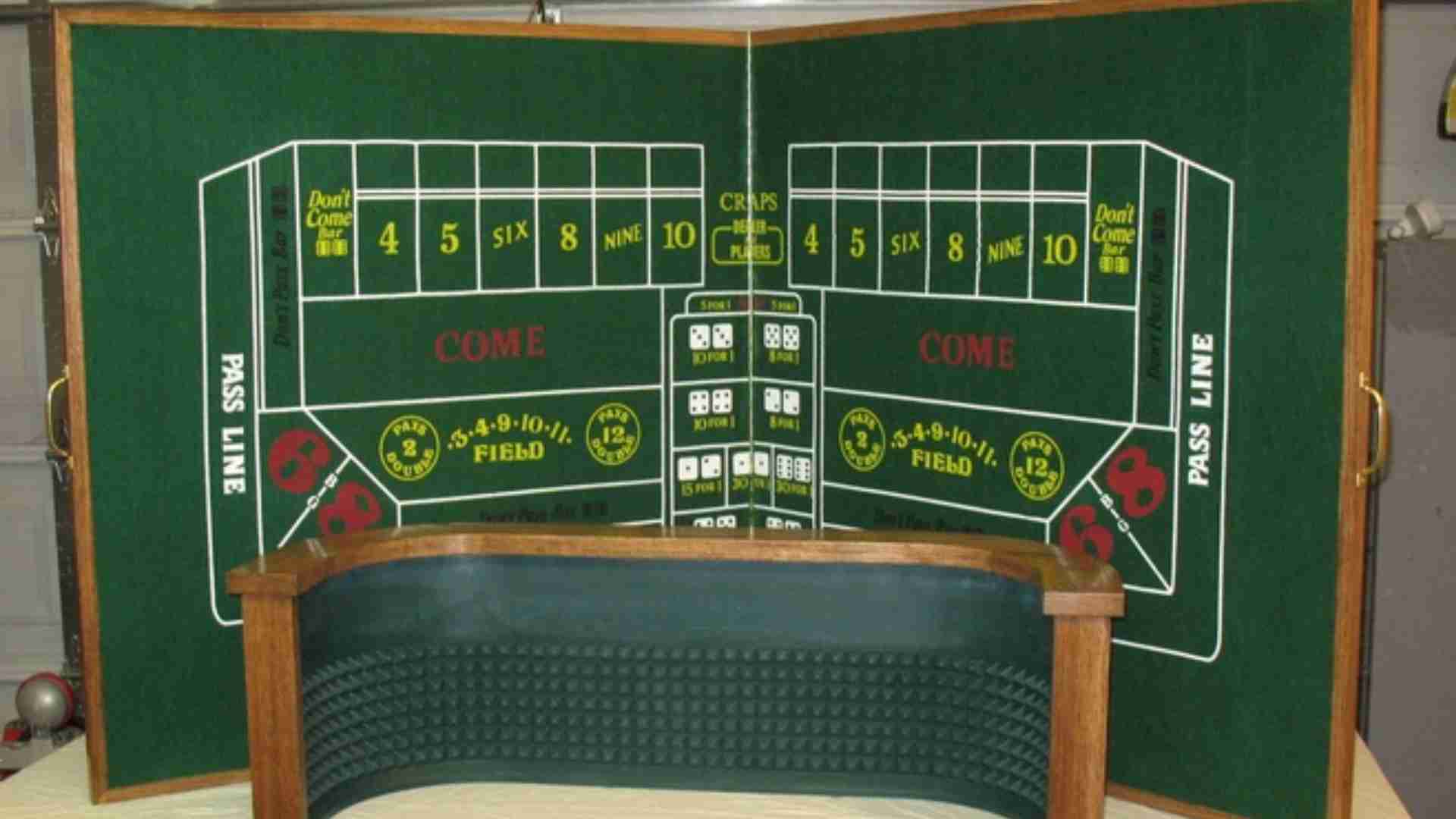
The foundation of any disciplined craps strategy relies heavily on low-house-edge options that protect your capital from rapid swings. Relying primarily on the Pass Line or Don't Pass wagers ensures you establish a steady baseline before adding more volatile bets. These core wagers carry a narrow structural disadvantage, making them perfect for players prioritizing consistency over risky short-term gains.

Once a point number is successfully established, backing your original line with true odds offers exceptional statistical value. Since these additional options feature zero built-in house advantage, they effectively lower the overall variance of your gaming budget. Utilizing this combination allows you to ride out cold table streaks without prematurely draining your available resources.

Smart Execution of Place Wagers

For players looking to expand their table presence, targeting specific numbers through place bets offers a controlled path forward. Focusing heavily on the six and eight remains highly recommended because these numbers are rolled more frequently than others on the layout. This selective framework keeps your exposure manageable while still participating actively in positive table momentum.

To optimize your session performance, finding a modern digital platform with reliable mechanics can serve as an excellent training ground. Exploring options through a secure destination like m88 link 2 gives enthusiasts a perfect environment to practice these structured setups safely. Maintaining patience during quiet sequences is vital for executing this tactical positioning with maximum efficiency.

Disciplined Bankroll and Session Limits

No mathematical framework can save your funds if you approach the gaming floor without a definitive financial boundary. Establishing strict stop-loss thresholds and realistic win targets before the first dice roll prevents emotional decisions from taking over. Dividing your total capital into smaller session units guarantees you can withstand consecutive losses without feeling anxious.

It is equally crucial to avoid high-risk proposition wagers located at the center of the felt canvas, despite their massive payout potential. These volatile bets carry a heavy operational tax that can quickly devastate an otherwise stable financial position. Keeping your choices simple and repeating a uniform layout approach remains the ultimate path toward achieving consistent gaming sessions.

Managing Table Psychology and Momentum

The energetic atmosphere surrounding a live table often pushes participants to make impulsive choices based on collective excitement. Staying emotionally detached from individual outcomes is essential for maintaining tactical control throughout the evening. Recognizing that every single dice toss remains an independent statistical event prevents you from chasing phantom trends.

When a shooter enters a prolonged hot rolling streak, it can be tempting to aggressively press your wagers beyond your budget. A balanced approach involves taking partial profits while gradually increasing your table positioning using house money. This defensive mindset ensures you capitalize on rare surges without exposing your core bankroll to sudden reversals.

4 bulan yang lalu